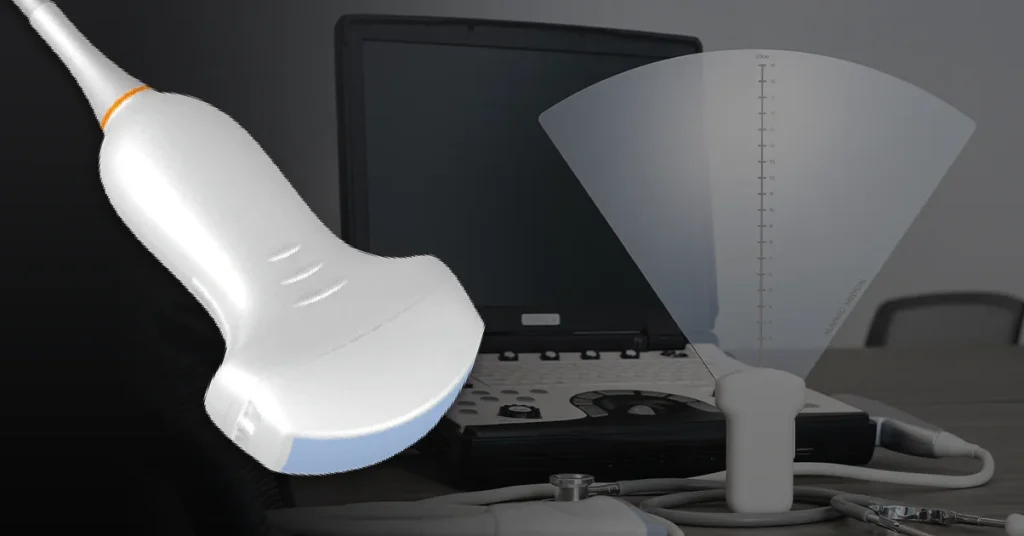
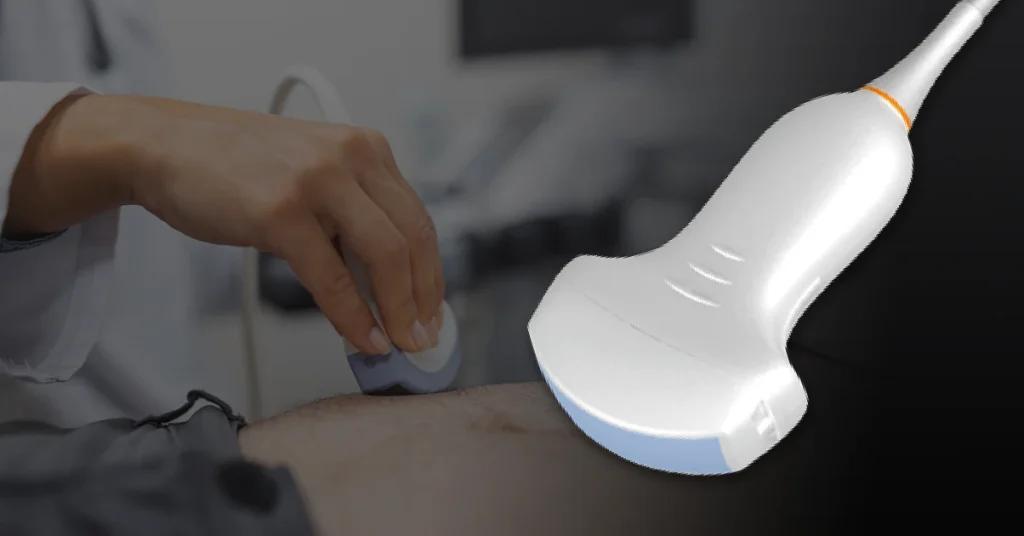
Main takeaways: Curvilinear probes are curved and use low sound waves to see deep inside the body and show wide pictures of organs like the liver and kidneys. These probes work better than straight probes for deep body parts that are more than 6 cm under the skin. Good training with curvilinear probes needs fake body models that […]
Main points: Curvilinear probes provide deeper penetration, wider field of view, and better contact with curved abdominal surfaces. Mastering curvilinear scanning requires specific techniques for optimizing images and handling the probe properly. SimuGel™ training materials offer realistic practice opportunities to develop essential scanning skills. Curvilinear ultrasound probes are the preferred choice for abdominal scanning because […]
You’ve prepared the phantom, positioned the ultrasound probe, and your student begins scanning. Within seconds, they’ve located the target vessel. Easy, right? Maybe too easy. When a phantom is perfectly clear, learners see everything—including structures they’re supposed to locate through scanning skill alone. The needle path is visible. The target is obvious. And the challenge […]
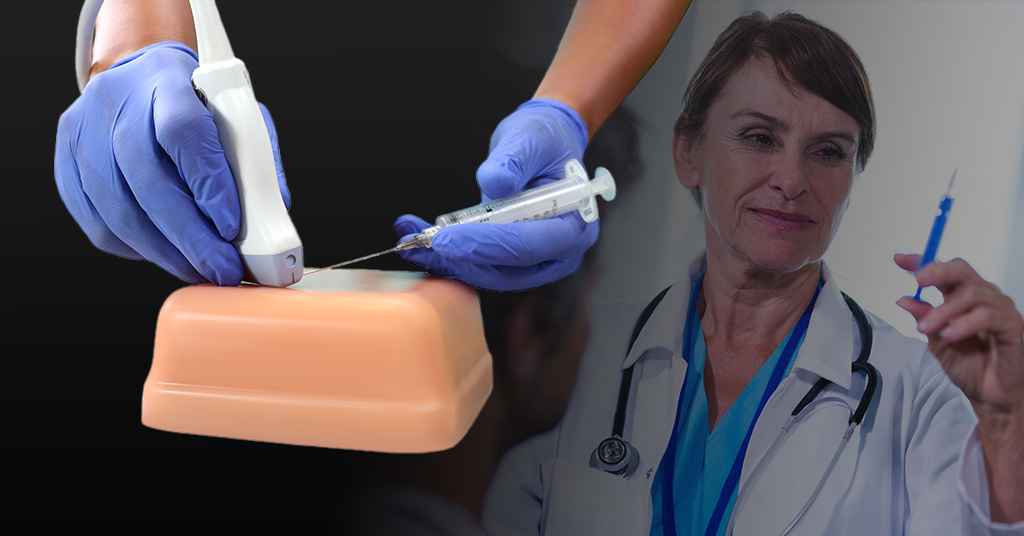
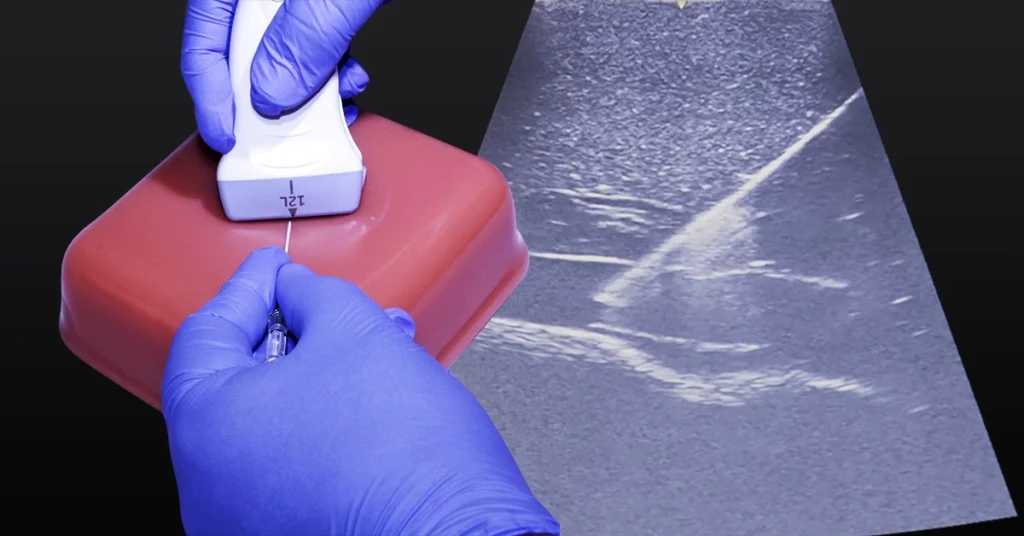
Ultrasound training often runs on tight schedules with limited patient access. Building consistent skills in probe control, needle alignment, and depth perception can be difficult. Ultrasound phantom models are lifelike training tools that mimic how tissue looks on ultrasound and how it feels to the hand and needle. They make practice safe, repeatable, and […]
From the joy of a first prenatal image to the decisive clarity of an emergency diagnosis, ultrasound remains one of healthcare’s most versatile and trusted tools. It transforms unseen anatomy into real-time images, enabling clinicians to act with precision and confidence. The ultrasound probe may appear as a simple handheld device, yet it houses […]
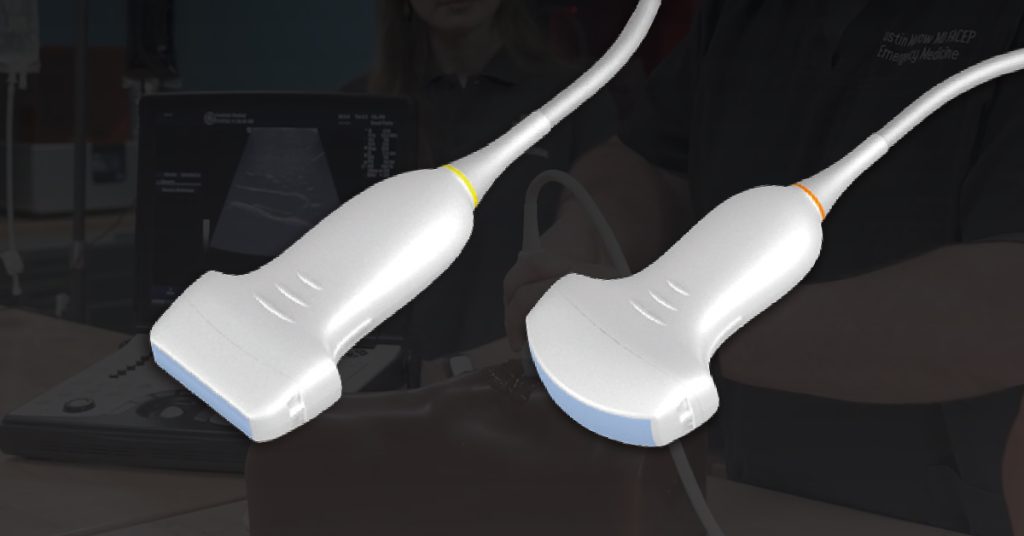
You’ve set up the ultrasound machine, the gel is ready, and your learner picks up the probe—only to scan the wrong plane or miss the anatomy entirely. It’s not a lack of effort. It’s often the wrong probe for the job. In ultrasound education, understanding the difference between a curvilinear probe and a linear […]
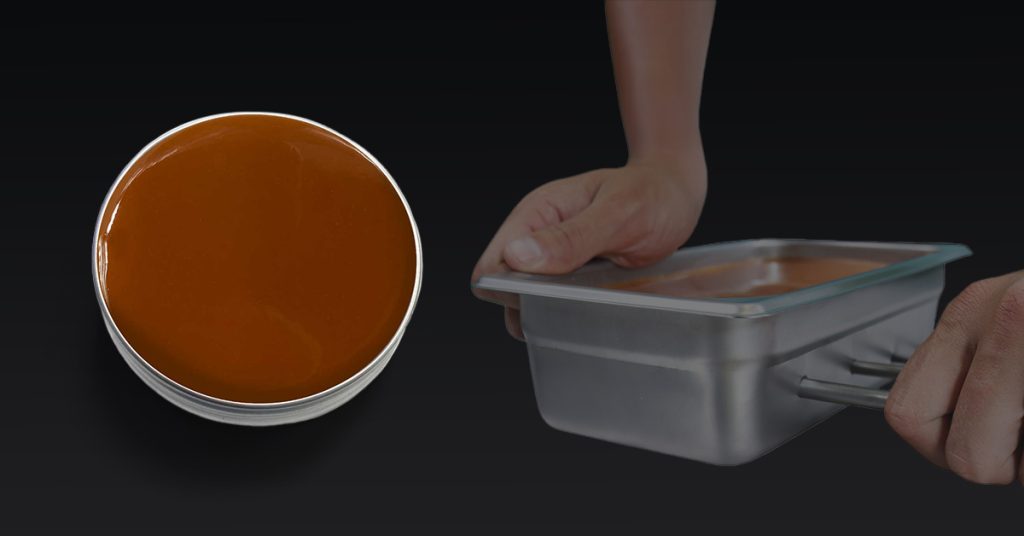
Brown dye might seem like a basic colorant, but how it’s made—and where it’s used—tells a more interesting story. In fact, brown dyes show up in everything from clothing and makeup to tools used in medical training. At Humimic Medical, we use a special brown tone dye to help make our clinical models look […]
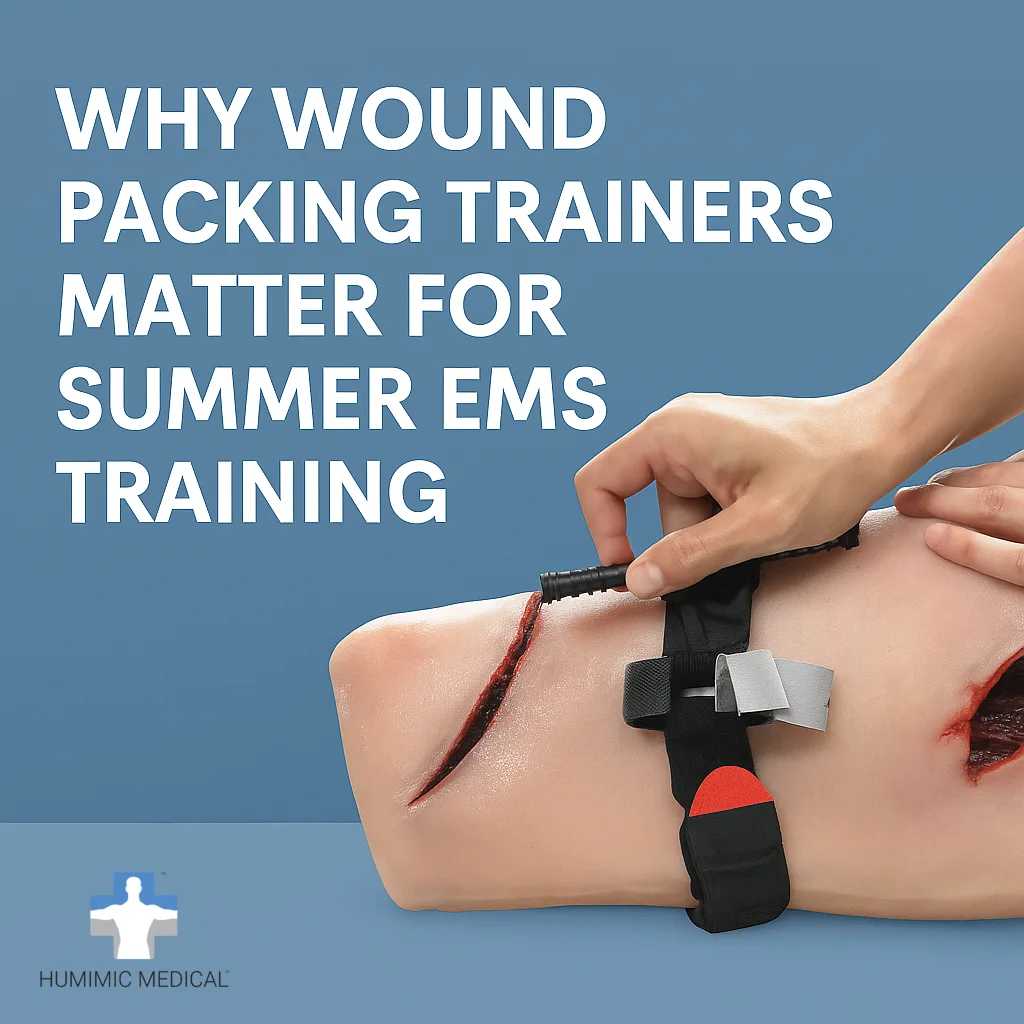
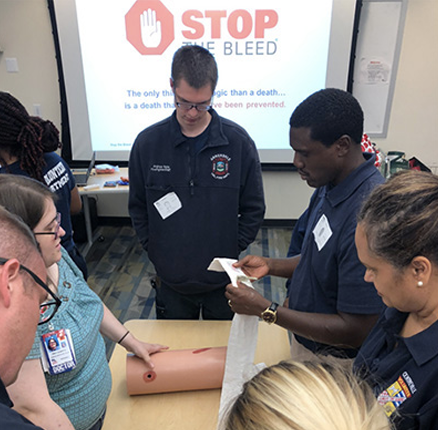
Every summer, emergency medical services (EMS) programs nationwide ramp up their training efforts. From Stop the Bleed workshops to tactical combat casualty care (TCCC) drills, this is a key season for both new and experienced responders to refine their life-saving skills. Central to these sessions is one critical practice: wound packing. Wound packing is a […]
Uncontrolled bleeding can cause death in just minutes. That’s why the Stop the Bleed campaign, launched in 2015, became a nationwide call to action — teaching ordinary people how to recognize and respond to life-threatening bleeding. From classrooms to corporate offices, the program has transformed how we prepare for medical emergencies. Today, simulation tools like […]
We use cookies to ensure that we give you the best experience on our website. Click okay to allow cookies.